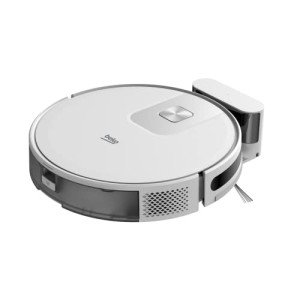
The Rise of Floor Robots: A Comprehensive Guide
In the last few years, the introduction of floor robots has actually transformed the landscape of home cleaning and maintenance. Armed with sophisticated technology, these intelligent devices are created to decrease human effort while optimizing effectiveness. This article delves into the various aspects of floor robotics, including their functionality, advantages, types, and considerations for acquiring one.
Understanding Floor Robots
Floor robots, frequently called robotic vacuums or floor cleaners, automate the procedure of cleaning floorings in domestic and business spaces. They use a mix of sensors, mapping innovation, and artificial intelligence to browse, recognize dirt, and tidy different kinds of surfaces. This innovation not just saves time but likewise enhances the effectiveness of cleaning efforts.
How Do Floor Robots Work?
Floor robots run through a combination of hardware and software application components created to enhance their cleaning capabilities. Below is a streamlined summary of their functional process:
Mapping and Navigation:
- Using Lidar, video cameras, or infrared sensing units, the robot develops a map of the area.
- It determines and avoids challenges, ensuring effective navigation.
Cleaning Mechanics:
- Most floor robots are geared up with turning brushes or suction mechanisms to collect debris.
- They can vary their cleaning modes based on the kind of surface area (carpet, tile, etc).
Dirt Detection:
- Advanced designs make use of dirt-detection sensing units to recognize greatly soiled areas and clean them more thoroughly.
Self-Charging:
- Once cleaning is total or the battery runs low, numerous robots automatically go back to their charging stations.
App Integration:
- Many floor robots come with mobile applications that allow users to schedule cleaning sessions, set cleaning modes, and display progress.
Benefits of Using Floor Robots
The appeal of floor robotics can be associated to several key benefits, consisting of:
- Time-Saving: Users can commit their time to more vital tasks while the robot handles the cleaning.
- Consistency: Robots can follow a routine cleaning schedule, guaranteeing a regularly clean environment.
- Hard-to-Reach Areas: Floor robotics can navigate under furniture and into difficult situations that traditional vacuums may have a hard time to reach.
- Reduction of Allergens: Regular cleaning helps in reducing dust and irritants, adding to a much healthier home environment.
- User-Friendly: With easy interfaces and app functionality, floor robots are available for users of any ages.
Types of Floor Robots
There are several kinds of floor robotics available on the marketplace, each designed to cater to different needs:
| Type of Floor Robot | Description | Best Usage |
|---|---|---|
| Robotic Vacuums | Primarily designed for vacuuming carpets and hard floors. | Everyday cleaning of various surfaces. |
| Robotic Mops | Equipped with a mopping feature for damp cleaning. | Suitable for tough surface areas requiring damp cleaning. |
| Combo Robots | Combines vacuuming and mopping functionalities. | Flexible cleaning for a variety of surfaces. |
| Specialty Robots | Developed for particular tasks (e.g., pet hair removal). | Homes with pets or particular cleaning needs. |
Factors to consider When Buying a Floor Robot
Purchasing a floor robot involves numerous considerations to guarantee that the chosen model fulfills the cleaning requirements. Below are some elements to remember:
Floor Type:
- Consider whether the robot is ideal for carpets, hardwood, tile, or a combination of flooring types.
Battery Life:
- Evaluate the robot's battery period to identify the length of time it can clean before requiring a recharge.
Suction Power:
- Higher suction power is essential for efficient cleaning, particularly on carpets.
Navigation System:
- An advanced navigation system adds to effective cleaning patterns and much better obstacle avoidance.
Dustbin Capacity:
- Larger dustbins need less frequent emptying, which is practical for users.
Smart Features:
- Look for designs with Wi-Fi connection, app support, and voice control compatibility for added convenience.
Frequently Asked Questions about Floor Robots
Q1: How much do floor robotics cost?A1: Prices can vary from ₤ 200 to over ₤ 1,000, depending on functions and brand.
Q2: Can floor robots clean several floor types?A2: Yes, many robotic vacuums are created to be efficient on both carpets and tough floors. Q3: How frequently should I run my floor robot?A3: For optimal outcomes, it is recommended to arrange day-to-day or bi-weekly cleaning depending on foot traffic and family pet existence. Q4: Do floor robots work well with pet hair?A4: Models specifically developed for pet owners contain
stronger suction power and special brushes to successfully remove pet hair. Q5: Can I manage my floor robot remotely?A5: Most modern floor robotics include app connectivity, allowing you to control them remotely from your
mobile phone. The advent of floor robots represents a substantial improvement in home cleaning innovation. Combining efficiency, user-friendliness, and advanced features, these devices offer a glance
into the future of home maintenance. As consumers increasingly look for services that conserve time and promote tidiness, the floor robot market is poised for ongoing growth and development. With hattiedeleon.top of alternatives available, comprehending their workings, benefits, and performances can assist users choose the best addition to their cleaning program.